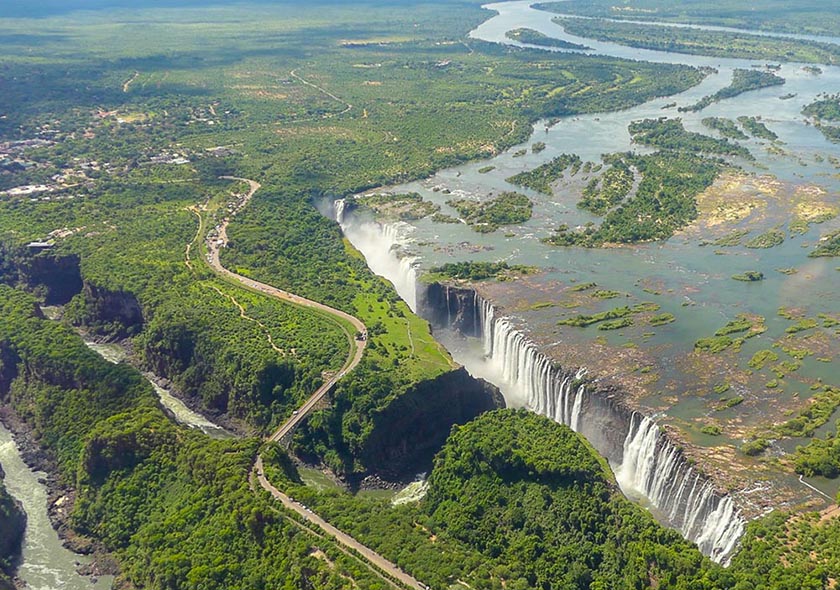
If you are planning a getaway to Victoria Falls, adding a safari to your itinerary is likely at the top of your bucket list. While there are several wildlife reserves in the surrounding region, Zimbabwe’s largest and most famous reserve, Hwange National Park, often catches the eye of eager travelers. But considering the distance from the falls, you might find yourself asking: Is a Hwange Day Trip Worth It?
For travelers who want to experience authentic, untamed African wilderness without dedicating a week to a safari lodge, a day excursion can be highly rewarding. However, it does require early mornings and a bit of travel. Let’s dive into everything you need to know about embarking on a hwange day trip, from travel times and costs to wildlife expectations, to help you decide if it fits your travel style.
The Logistics: Getting from Victoria Falls to Hwange
To determine if this excursion is right for you, it is crucial to understand the Hwange day tour itinerary logistics. Hwange is not right next door to Victoria Falls; it requires a dedicated road trip.
The standard Victoria Falls to Hwange travel time is approximately 2.5 to 3 hours each way. Because wildlife is most active in the early morning, tours typically depart your hotel in Victoria Falls between 5:30 AM and 6:30 AM.
Fortunately, the journey is straightforward. Main Camp accessibility from Vic Falls is excellent, as the route follows a well-paved, direct highway down to the park’s primary entrance. Once you arrive at Main Camp around 8:30 AM or 9:00 AM, you will immediately transition into a 4×4 open-air safari vehicle and begin your game drive.
What to Expect from the Wildlife

Booking a full day guided safari from Victoria Falls into Hwange provides an incredible opportunity to witness Zimbabwe’s pristine nature. Hwange is roughly the size of Belgium and is legendary for its massive elephant population, boasting over 40,000 of these gentle giants.
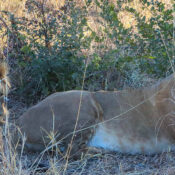
If you are hoping for Big Five encounters in Zimbabwe, Hwange is one of your best bets. While rhinos are incredibly rare, the park is teeming with buffalo, leopards, and enormous prides of lions. Beyond the traditional Big Five, one of the most thrilling prospects is the chance for African wild dog sightings Hwange is globally renowned for. The park is one of the last major strongholds for these highly endangered and fascinating predators.
Maximizing Wildlife Viewing in One Day
Because you only have a few hours inside the park, trust your guide. Maximizing wildlife viewing in one day requires expert local knowledge. Safari guides communicate with each other via radio, sharing the real-time locations of predators and large herds, ensuring your limited time is spent observing animals rather than just driving through empty brush.
The Best Time of Year to Go
Your experience will vary drastically depending on the season. The best months for Hwange wildlife sightings are typically during the dry season, which runs from July through late October.
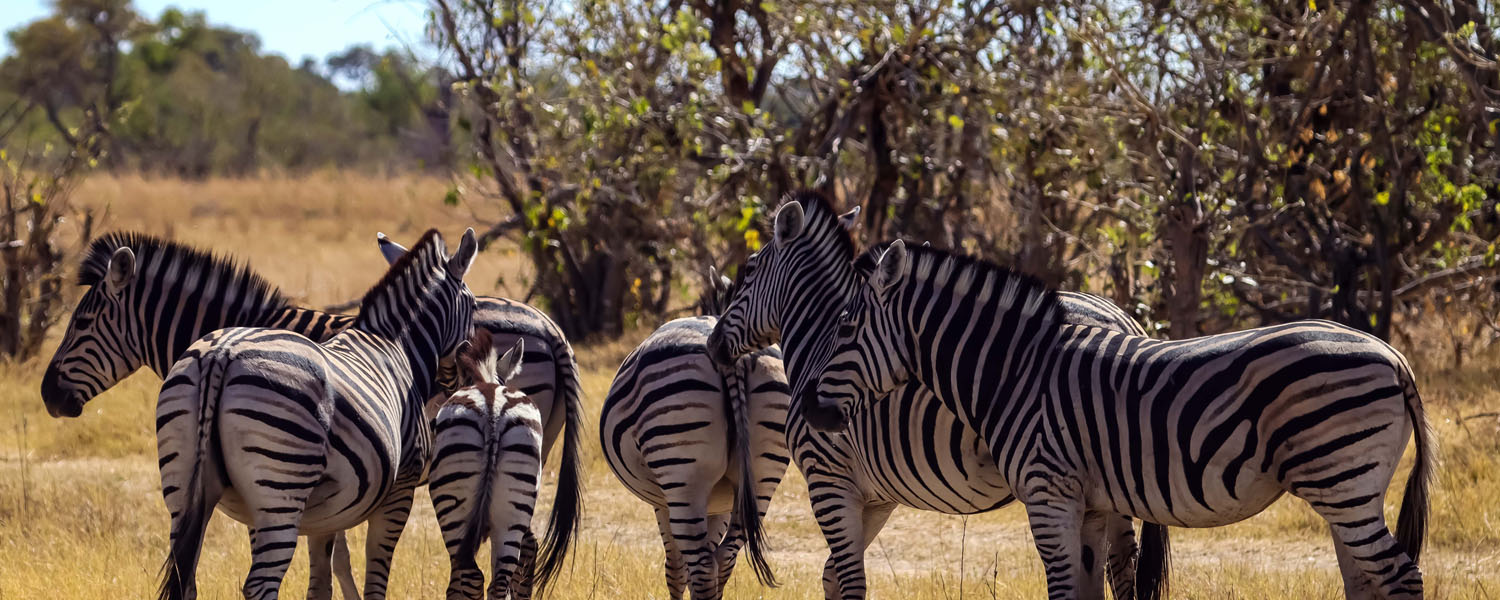
During this period, the vegetation thins out, making it much easier to spot camouflaged predators. More importantly, the dry season animal density Hwange experiences is phenomenal. Because natural surface water dries up, the park relies on a network of artificially pumped waterholes. The seasonal waterhole activity Hwange offers during these dry months is staggering—it is not uncommon to see hundreds of elephants, alongside zebras, giraffes, and sable antelopes, all peacefully sharing a single drinking spot while lions wait in the nearby grass.
If you visit during the wet “emerald” season (November to April), the park is lush, green, and fantastic for birdwatching. However, the animals disperse widely since water is abundant everywhere, making a one-day trip slightly more of a gamble for major sightings.
Budgeting: Cost and Booking Options
When planning this adventure, it helps to understand the financial investment. A typical Hwange National Park day trip cost breakdown looks something like this:
- Tour Operator Fees: Usually ranging from $150 to $250 per person. This covers round-trip transfers from Victoria Falls, the 4×4 game drive, the services of a professional guide, and usually a packed lunch or a hot meal at a lodge.
- Parkhttps://www.zimparks.org.zw/ Fees: You will need to pay Zimbabwe national park conservation fees. For international visitors, this is typically around $20 to $30 per person, per day. (Always check if your tour operator includes this in their upfront price).
You will also have the choice between private vs group game drives. Group drives are more budget-friendly and offer a fun, shared experience. However, if you are a serious wildlife photographer or traveling with small children, paying a premium for a private vehicle allows you to dictate the pace of the day and spend as much time as you want at a specific sighting.
Weighing the Pros and Cons
To give you a balanced view, here are the pros and cons of short safari trips to Hwange:
The Pros:
- Authentic Wilderness: Hwange is remarkably uncrowded compared to other major African parks. You often have sightings entirely to yourself.
- No Border Crossings: Since a hwange day trip from victoria falls takes place entirely within Zimbabwe, you avoid the hassle, time, and potential visa costs of crossing international borders.
- High Predator Density: Excellent chances of spotting lions, cheetahs, and wild dogs.
The Cons:
- Travel Time: Spending 5 to 6 hours in a car in a single day can be exhausting, especially for young children.
- Midday Heat: Day trips mean you will be in the park during the hottest part of the day, which is generally when big cats retreat into the deep shade to sleep.
Hwange or Chobe?
Many visitors find themselves comparing Hwange and Chobe day trips, as Chobe National Park (in neighboring Botswana) is another popular day excursion from Victoria Falls.
Chobe is slightly closer (about a 1.5-hour drive) and offers a unique river safari element, which is fantastic for seeing hippos and crocodiles. However, Chobe can get notoriously crowded with tourist vehicles. Hwange, by contrast, offers a wilder, more remote, and exclusive land-based safari feel. If you prefer quiet, expansive landscapes and want to avoid the administrative hassle of entering Botswana for the day, Hwange is the superior choice.
The Final Verdict: Is a Hwange Day Trip Worth It?
Ultimately, Is a Hwange Day Trip Worth It? Yes, absolutely.
While a multi-day stay at a Hwange safari lodge is the ultimate way to experience the park, a well-planned hwange day trip is a spectacular compromise for time-strapped travelers. It offers a genuine slice of wild Africa, world-class elephant herds, and a respite from the heavily trafficked tourist circuits. As long as you don’t mind the early wake-up call and the drive, a day in Hwange National Park will undoubtedly be a highlight of your Zimbabwean adventure.