When you dream of an authentic, uncrowded African safari, Zimbabwe consistently ranks as a top-tier destination. Tracking the Big Five in Hwange is a wildlife enthusiast’s ultimate dream, offering an experience that rivals any major reserve on the continent. As Zimbabwe’s largest and most famous reserve, Hwange National Park spans roughly 14,600 square kilometers of diverse landscapes, from desert sands to dense woodlands.
Whether you are a seasoned wildlife tracker or a first-time visitor, knowing how to find the big five hwange is renowned for will elevate your trip from a simple vacation into a profound adventure.
Understanding the Big Five Animals
Historically, the term “Big Five” was coined by big-game hunters to describe the most dangerous African animals to track on foot. Today, the phrase has been reclaimed by wildlife lovers and photographers. The big five animals include the lion, leopard, rhinoceros, elephant, and Cape buffalo.
Hwange is incredibly diverse, boasting over 100 mammal species, but the quest to spot these five specific animals remains a central thrill for travelers.

Spotting the Big Five in Hwange National Park
The Majestic Elephants
Hwange is undeniably the land of giants. The African bush elephant population density here is among the highest in the world, with estimates suggesting over 40,000 elephants roam the park. During the dry season, it is not uncommon to see hundreds of elephants congregating around a single pumped watering hole, socializing, bathing, and drinking.
Lions and Their Legacy
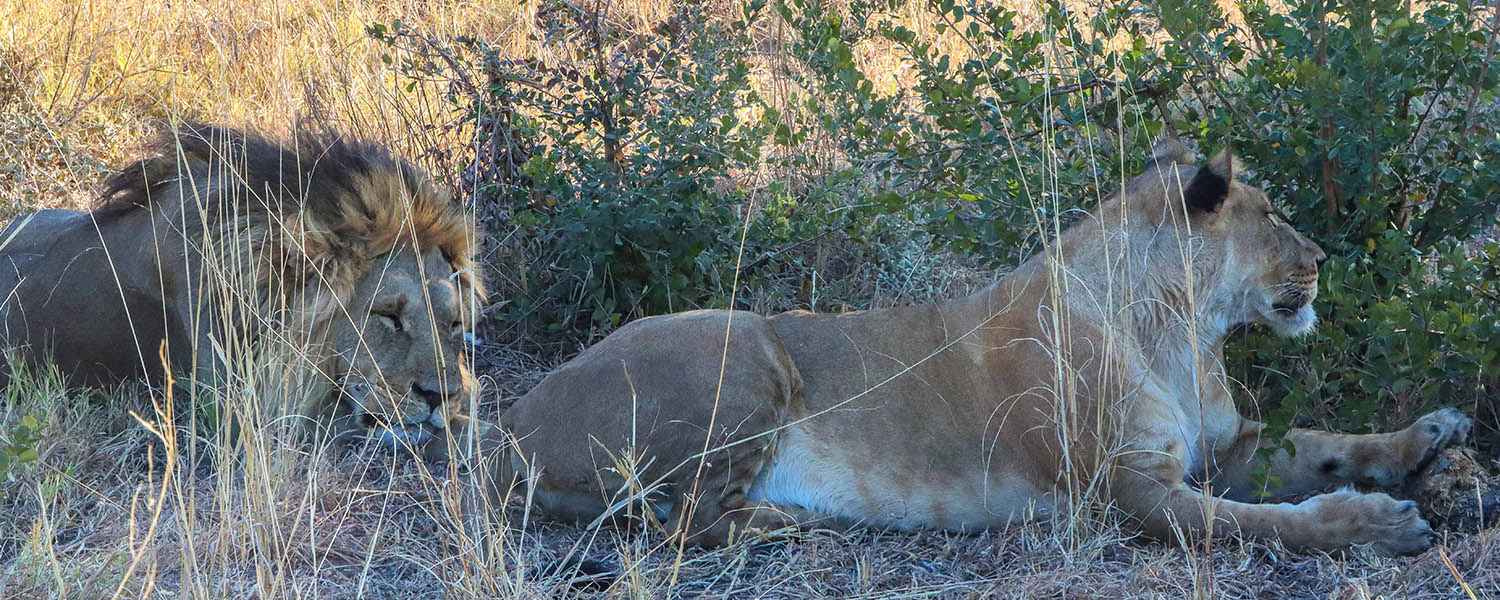
Hwange is one of Africa’s premier lion conservation strongholds. The Cecil the lion legacy in Hwange continues to shape the park’s conservation efforts today. Cecil’s tragic death in 2015 sparked global outrage, which ultimately led to increased funding, stricter hunting regulations, and a renewed global focus on ethical wildlife tourism. Today, visitors frequently spot large, healthy prides resting in the shade or actively patrolling their territories.
The Elusive Leopard
Leopards are famously secretive, making them the most difficult of the big cats to spot. To find them, you need to understand leopard behavior in African teak forests. These solitary predators use the dense, dappled canopy of Zambezi teak trees for camouflage, often dragging their kills high into the branches to protect them from scavengers. Keep your eyes peeled on the horizontal branches when driving through forested areas.
Formidable Buffalo
Witnessing the massive Cape buffalo herds in Matabeleland North is a visceral experience. These robust bovines often travel in mega-herds numbering in the high hundreds. Watching a massive herd kick up a cloud of golden dust as they march toward the water—often trailed cautiously by a pride of hungry lions—is an unforgettable sight.
The Rare Rhinoceros
Rhinos are the rarest of the Big Five in this region due to historical poaching. If you are wondering where to find black rhino in Zimbabwe, Hwange does have a small, highly guarded population introduced through recent conservation programs. However, spotting them requires luck and expert tracking. Your visit directly supports the rigorous anti-poaching initiatives for Zimbabwe wildlife, funding the brave rangers who protect these critically endangered animals around the clock.
Planning Your Hwange Safari Adventure
The Best Time to Visit
Timing is everything on a safari. The dry winter months, from July to late October, provide the ultimate conditions for wildlife viewing. This is widely considered the best time for Zimbabwe safari photography. As natural water sources dry up, animals are forced to gather around man-made, solar-pumped waterholes. This dry season wildlife viewing at waterholes guarantees high-action sightings, allowing photographers to capture incredible interactions without needing to drive long distances.
How to Experience the Wilderness
To truly appreciate Hwange, you should mix up your daily activities:
- Walk the Bush: Zimbabwean safari guides are considered some of the most rigorously trained in Africa. Taking part in guided walking safaris in Hwange allows you to learn about animal tracks, local flora, and the smaller ecosystems you miss from a vehicle.
- Explore After Dark: While night drives are restricted inside the main national park, you can easily book night game drives in private concessions that border the park. Armed with a spotlight, your guide can help you spot nocturnal predators on the hunt, elusive honey badgers, and springhares.
Logistics and Comparisons
If you are weighing a Hwange versus Kruger National Park safari, the main difference lies in exclusivity and wildness. Kruger is heavily paved and often crowded with self-driving tourists. Hwange, by contrast, is wild, remote, and offers a highly exclusive experience where you might sit with a pride of lions for an hour without seeing another vehicle.
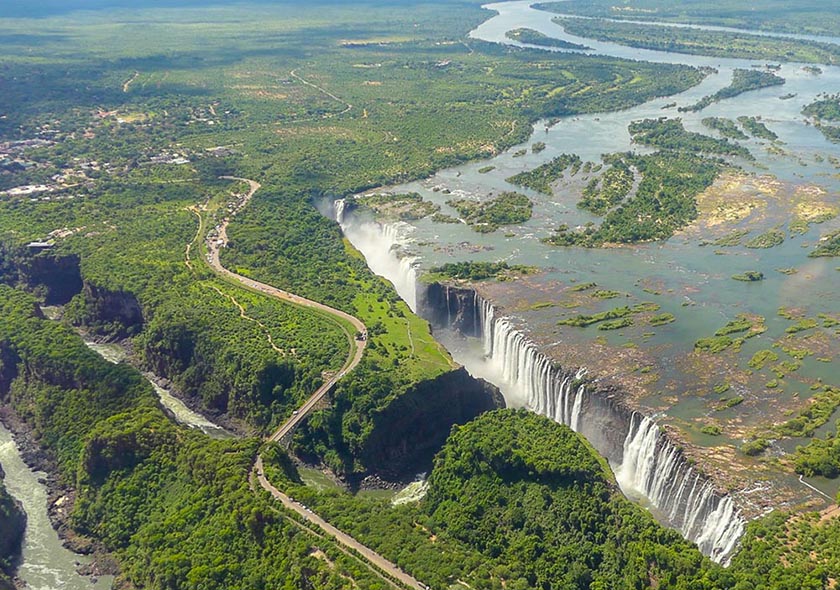
Getting to the park is incredibly straightforward. Traveling from Victoria Falls to Hwange takes just over two hours by road, making it the perfect complementary destination to the iconic waterfall.
When budgeting your trip, remember to account for the Zimbabwe National Parks entry fees for foreigners. These are charged per person, per day, and are a vital source of revenue for the ongoing maintenance and protection of the park.
Crafting a Hwange Safari Itinerary for 3 Days
To maximize your chances of seeing the Big Five, a structured plan is essential. Here is a highly effective Hwange safari itinerary for 3 days:
Day 1: Arrival and Immersion
- Morning: Arrive from Victoria Falls and check into one of the stunning luxury safari lodges in Hwange. These lodges offer unparalleled comfort, eco-friendly designs, and often overlook private waterholes.
- Afternoon: Embark on your first late-afternoon 4×4 game drive. Focus on open plains to spot large herds of elephants and buffalo.
- Evening: Enjoy a traditional boma dinner under the stars at your lodge.
Day 2: Footsteps and Spotlights
- Morning: Wake up at dawn for a guided walking safari. Experience the thrill of tracking lion prints in the sand and learning about the micro-ecosystems of the teak forests.
- Mid-Day: Relax at the lodge. Use the midday heat to photograph elephants drinking right in front of the camp’s main deck.
- Evening: Head out into a bordering private concession for a night game drive. Look out for leopards on the prowl and listen to the nighttime sounds of the African bush.
Day 3: The Golden Hour
- Morning: Take a sunrise game drive specifically targeting waterholes to catch predators finishing their morning drinks. The golden hour lighting is ideal for photography.
- Late Morning: Enjoy a hearty bush breakfast before packing up and transferring back to Victoria Falls for your onward journey.
Final Thoughts
Seeking out the Big Five in Hwange is much more than a checklist; it is an immersion into one of Africa’s most pristine and unspoiled environments. By choosing Hwange, you are not only guaranteeing yourself a spectacular wildlife adventure, but you are also actively participating in the conservation of Zimbabwe’s precious natural heritage. Pack your binoculars, ready your camera, and prepare for an unforgettable journey into the wild heart of Matabeleland.