Hwange Day Trip vs Overnight Safari
If you are staying in Victoria Falls and want to add a classic Zimbabwe wildlife experience, Hwange is one of the most logical safari choices. It is close enough to be visited on a long day out, yet large and wild enough to reward travelers who stay longer. The real question is not whether Hwange is worth visiting; it is whether your trip is better served by a single-day safari or an overnight stay.
This guide offers a practical hwange safari comparison for travelers weighing time, budget, wildlife expectations, and comfort. Use it to decide which style of trip fits your itinerary before comparing specific hwange safari tours or hwange safari packages.
Why Hwange Belongs on a Victoria Falls Itinerary
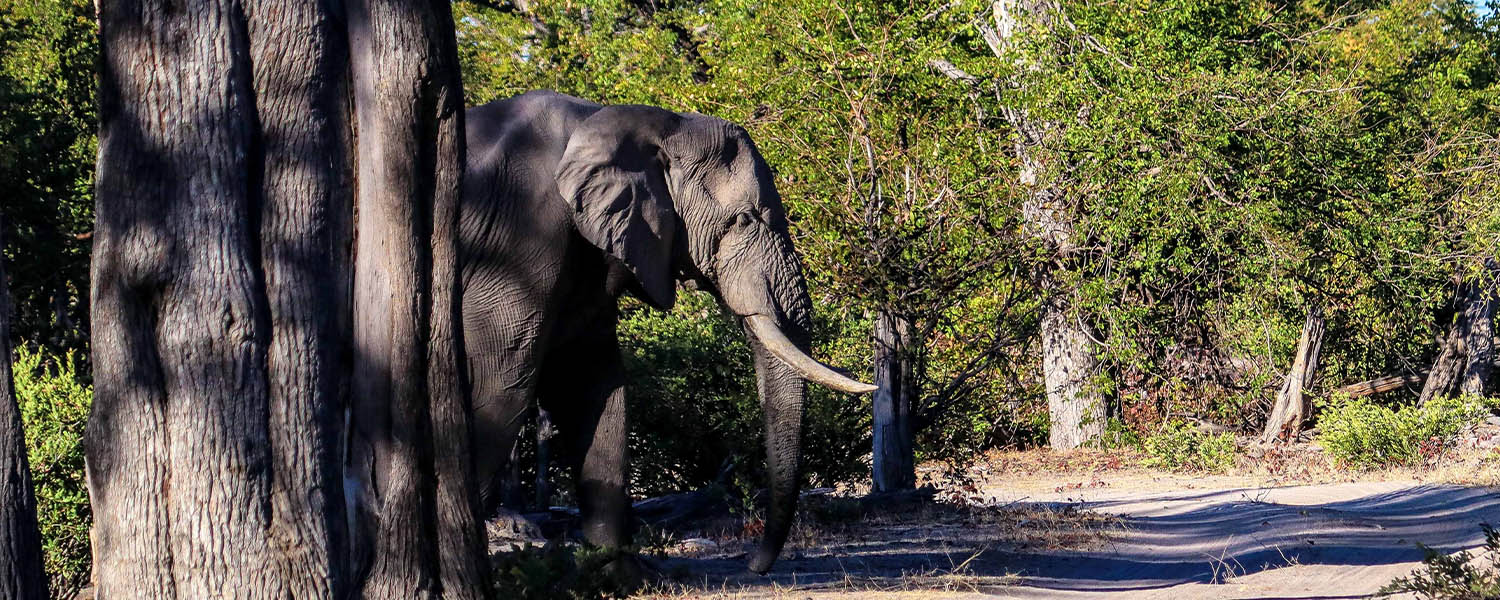
Hwange National Park is Zimbabwe’s largest national park, covering about 14,650 square kilometers in the country’s northwest. ZimParks describes it as home to Zimbabwe’s largest elephant population, along with around 100 mammal species and nearly 400 bird species, including elephant, lion, leopard, buffalo, roan, sable, and African wild dog. (zimparks.org.zw)
That scale matters. Hwange is not a small fenced reserve where sightings are tightly choreographed. It is a vast ecosystem of savanna grasslands, teak woodland, mopane woodland, pans, pumped waterholes, and seasonal wildlife movement. This is part of what makes it rewarding, but it also explains why a short visit can feel very different from a longer safari.
From Victoria Falls, Hwange is accessible by road, and official ZimParks information notes road access from Victoria Falls toward park camps. The park’s own management planning also recognizes Hwange as part of the tourism circuit focused around Victoria Falls, while noting that the driving time can make day-trip marketing challenging. (zimparks.org.zw)
In plain terms: a day trip is possible, popular, and worthwhile for the right traveler. But an overnight safari gives you more time inside the ecosystem, more game-drive windows, and a better chance to experience Hwange at its most atmospheric.
The Quick Decision
Choose a Hwange day trip if:
- You are based in Victoria Falls and only have one spare day.
- You want a taste of Zimbabwean safari without changing hotels.
- Your main trip priority is Victoria Falls, with wildlife as an add-on.
- You are comfortable with an early start and a long day on the road.
- You want a simpler, lower-commitment option than a lodge stay.
Choose an overnight Hwange safari if:
- Wildlife is a major reason for your Zimbabwe trip.
- You want sunrise or late-afternoon game drives.
- You prefer a slower pace and less road fatigue.
- You are a photographer, birder, repeat safari traveler, or serious wildlife enthusiast.
- You want to hear the bush at night and wake up already in or near safari country.
If you are still undecided, use this rule of thumb: a day trip shows you Hwange; an overnight safari lets you settle into it.
What a Hwange Day Trip Usually Feels Like
A day safari from Victoria Falls is designed for efficiency. Most itineraries start early, transfer by road toward Hwange, switch into a safari vehicle at or near the park, include a game drive or split game drives, stop for lunch, and return to Victoria Falls in the evening. The structure varies by operator, gate, season, road conditions, and whether the trip is private or shared.
The biggest advantage is convenience. You do not need to pack for a lodge stay, check out of your hotel, or rebuild your itinerary around safari logistics. For many travelers, especially those on a short Victoria Falls stopover, that simplicity is the difference between seeing Hwange and skipping it altogether.
A day trip can also be a smart choice if you are combining several regional experiences. Victoria Falls visitors often consider Chobe, Zambezi National Park, river cruises, helicopter flights, cultural visits, and adventure activities. In that kind of itinerary, one full day in Hwange may be enough to add a meaningful Zimbabwe wildlife experience without overcrowding the trip.
However, a day trip has natural limits. You lose time to transfers. You may arrive after the earliest wildlife activity has already begun. You may need to leave before the late afternoon develops fully. And because wildlife sightings are never guaranteed, a single drive window gives you less room for the natural unpredictability that makes safari exciting.
What an Overnight Safari Adds
An overnight safari changes the rhythm completely. Instead of treating Hwange as an excursion from Victoria Falls, you make the park or its surrounding safari areas the focus of your time. Even one night can create a more complete experience, usually allowing for an afternoon drive, an evening in the bush, and a morning drive before returning to Victoria Falls or continuing onward.
This matters because safari is highly time-sensitive. Animals move differently throughout the day. Early mornings and late afternoons are often more comfortable for both wildlife and travelers, with softer light, cooler temperatures, and a greater sense of activity. A day trip may include some productive hours, but an overnight itinerary is more likely to place you in the right place at the right time.
Overnight stays also give guides more flexibility. If one area is quiet, there may be time to explore another. If tracks, calls, weather, or recent sightings suggest a better direction, a good guide can adjust the plan. On a day trip, the schedule is tighter. On an overnight safari, the experience can breathe.
The intangible difference is just as important. Hwange after dark is not only about sightings. It is about the sounds, the stars, the cooling air, and the feeling of being away from town. For many travelers, this is when safari becomes memorable rather than simply interesting.
Wildlife Expectations: One Day vs More Time
Hwange is especially known for elephants, and dry-season elephant viewing can be exceptional. Research and conservation sources note that during the dry season, which broadly runs from May to October, elephants in Hwange concentrate more around water sources, while in the wet season, from roughly November to April, wildlife movement becomes more dispersed. (cms.int)
This seasonal pattern affects both day trips and overnight safaris. In the dry months, a well-planned day trip may deliver strong sightings because animals are more likely to gather around known waterholes. In greener months, the park can be beautiful and birdlife rewarding, but animals may spread out more widely, which makes additional time more valuable.
Predators are another consideration. Hwange supports lions, leopards, wild dogs, hyenas, and other carnivores, but predator sightings depend on timing, territory, luck, guide skill, and how long you are in the field. A day trip gives you one roll of the dice. An overnight safari gives you several.
Birders should also think carefully about time. With hundreds of bird species recorded in the park, a rushed safari can feel limiting. Slower drives, time around pans, and quiet lodge moments can all add birding value, especially in the green season when migratory activity may improve.
Comfort, Pace, and Travel Fatigue
A Hwange day trip is not just a safari; it is also a road-transfer day. For energetic travelers, that is manageable. For families with young children, older travelers, or anyone who dislikes long vehicle days, it can feel tiring.
An overnight safari spreads the travel across two days and reduces the pressure to “see everything now.” You can arrive, settle in, enjoy a drive, rest, and go out again. That slower pace often leads to a better emotional experience, even when the total number of sightings is similar.
Comfort also depends on the type of tour. Some shared day trips are practical and good-value but less flexible. Private tours may allow more control over timing and pace. Overnight hwange safari packages vary widely, from simple accommodation to more polished lodge experiences, so the best choice depends on your expectations rather than a universal standard.
Before booking, ask about:
- Pick-up and drop-off times.
- Approximate transfer duration.
- Which gate, camp, or area is used.
- Whether the safari vehicle is open or closed.
- Group size.
- Meals and drinks included.
- Park fees and conservation fees.
- Luggage arrangements if transferring onward.
- Child policies and minimum ages.
- Cancellation terms.
These details matter more than glossy wording. Two hwange safari tours may both say “full-day safari,” but the actual experience can differ significantly.
Cost and Value: Which Is Better?
A day trip usually costs less overall because it avoids safari lodge accommodation. If you already have a hotel in Victoria Falls, it can be the most economical way to add Hwange to your itinerary. It is also easier to fit into a short trip without paying for multiple room moves or transfers.
An overnight safari costs more, but it often delivers better value per safari hour. Instead of spending much of the day getting to and from the park, more of your trip is dedicated to wildlife viewing, rest, guiding, meals, and atmosphere. For travelers who have flown a long way for safari, that extra value can outweigh the higher price.
The best value is not always the cheapest option. A low-cost day trip that feels rushed may be less satisfying than a carefully run overnight package. Equally, a premium lodge stay may be unnecessary if you only want a brief wildlife introduction. Match the spend to your purpose.
Best Option by Traveler Type
For first-time visitors to Victoria Falls, a day trip can work well if your schedule is tight. You will still get a sense of Hwange’s landscapes and wildlife without sacrificing too many Falls-based activities.
For first-time safari travelers, overnight is usually better if budget allows. Safari is slower and more unpredictable than many people expect, and extra time helps you appreciate tracks, behavior, landscapes, and quieter moments between major sightings.
For photographers, overnight is strongly recommended. Light is one of the main reasons. Midday conditions can be harsh, while early and late light adds mood, color, and texture. More time also means more patience at waterholes and better chances for behavior rather than simple animal portraits.
For families, the answer depends on age and travel style. A day trip avoids changing hotels but can be long. An overnight stay adds cost but creates rest breaks and a gentler rhythm. Families should prioritize private or small-group arrangements, clear meal planning, and realistic drive lengths.
For birders and wildlife enthusiasts, overnight wins almost every time. Hwange rewards patience, and specialist interests benefit from unhurried guiding.
For travelers on a tight budget, a day trip may be the most practical choice. Just choose carefully, confirm what is included, and keep expectations realistic.
How Many Nights Are Enough?
One night is a meaningful upgrade from a day trip. It gives you at least two safari periods and a chance to experience the bush overnight. If your itinerary is short, one night is far better than none.
Two nights is often the sweet spot. It allows for multiple drives, less pressure, and a better chance of varied sightings. You can experience different times of day and give your guide more opportunity to respond to conditions.
Three nights or more is ideal if Hwange is a centerpiece of your trip. This is especially true for photographers, repeat safari travelers, and anyone visiting in a season when wildlife may be more dispersed.
If you are combining Victoria Falls, Hwange, and another safari area such as Chobe or Mana Pools, consider your overall safari balance. More destinations are not always better. Sometimes fewer places with more time in each creates the stronger trip.
Seasonality and Timing
Hwange can be visited year-round, but the experience changes with the seasons. In the dry season, wildlife viewing is often more concentrated around pumped waterholes and remaining water sources. In the wet or green season, the landscape can be lush, birding can be excellent, and young animals may be present, but mammals may be more spread out. (frontiersin.org)
For a day trip, the dry season generally gives you a better chance of efficient sightings because you have limited time. For an overnight safari, both dry and green seasons can work, because extra time helps compensate for changing movement patterns.
Also consider temperature and comfort. Dry-season mornings can be cool, especially in open vehicles, while later months may be hotter and dustier. Green-season travel can bring rain and road considerations. Always ask your operator what to expect for the specific month you plan to travel.
How to Compare Hwange Safari Packages
When reviewing hwange safari packages, look beyond the number of days. A “2-day safari” might include only one meaningful game drive if transfers dominate the schedule, while another may be designed around prime wildlife hours.
Focus on these quality markers:
- Time in the field: How many actual game drives are included?
- Drive timing: Are you out early, late, or mostly midday?
- Guide quality: Is the guide experienced in Hwange specifically?
- Vehicle setup: Is it suitable for photography, comfort, and visibility?
- Location: Are you staying close to productive wildlife areas?
- Group size: Will the experience feel personal or crowded?
- Inclusions: Are meals, fees, transfers, and drinks clearly stated?
- Flexibility: Can the itinerary adapt to sightings and conditions?
This is where a thoughtful hwange safari comparison becomes useful. The right trip is not simply the longest or most expensive; it is the one that uses your available time best.
Final Recommendation
If you only have one free day in Victoria Falls, book a Hwange day trip and enjoy it for what it is: a rewarding introduction to Zimbabwe’s largest national park. Start early, manage expectations, and choose an operator with clear logistics and good guiding.
If you can spare the time and budget, choose at least one overnight. Two nights is even better. Hwange’s size, seasonal movement, elephant concentrations, birdlife, predator possibilities, and wilderness atmosphere all benefit from more than a single game-drive window.
In short, the day trip is convenient; the overnight safari is more complete. Both can be worthwhile, but for travelers who want the deeper safari experience, overnight hwange safari packages usually offer the stronger return on time, effort, and anticipation.

Recent Posts
Big Five in Hwange

Understanding the Costs of African Safaris

Hwange Day Trip vs Overnight Safari