
Quick Answer: June to October Is Prime Safari Season
For most travelers, the best time to visit Hwange National Park is during the dry season, especially July to October, when wildlife is easier to spot and large herds gather around reliable water sources. If your priority is elephants, classic game drives, clear sightings, and dramatic waterhole scenes, this is the strongest window. Hwange is Zimbabwe’s largest national park, covering about 14,650 square kilometers, and is known for elephants, predators, sable, roan, more than 100 mammal species, and nearly 400 bird species. (zimparks.org.zw)
That said, Hwange National Park best time to visit depends on what kind of safari you want. Dry months are best for wildlife concentration, while the green season from roughly November to April offers lush scenery, birding, fewer visitors, and a quieter feel. This Hwange travel guide breaks down the seasons so you can match your timing to your safari goals.
Understanding Hwange’s Seasons
Hwange has a distinct dry-and-wet rhythm. Local district climate data describes rainfall as usually beginning around October or November and ending around March or April, followed by a cool-to-warm dry season from about May to September. The area is semi-arid, with erratic rainfall and periodic dry spells, which is why seasonal water availability has such a big impact on wildlife movement. (fnc.org.zw)
In practical safari terms, the year divides into two main periods:
- Dry season: May to October Best for traditional safari viewing, especially from July onward. Vegetation thins, natural water becomes scarce, and animals increasingly rely on pans and waterholes.
- Green season: November to April Best for birding, green landscapes, photography with dramatic skies, and a more peaceful safari atmosphere. Wildlife is still present, but animals are more dispersed because water and grazing are more widely available.
Why July to October Is the Best Overall Time
July to October is widely considered the peak safari period in Hwange because it combines dry conditions, thinner bush, and predictable wildlife movement. SafariBookings notes that wildlife viewing is at its best from July to October, with large herds—especially elephants—gathering around waterholes and lower vegetation making predators easier to see. (safaribookings.com)
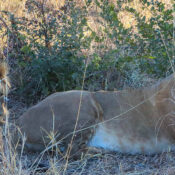
This is the time for classic Hwange scenes: elephants arriving in waves at pumped waterholes, buffalo moving through dusty plains, giraffe and zebra lingering near pans, and lions waiting near areas of concentrated prey. For first-time safari travelers, this period offers the most reliable sense of “I came all this way to see wildlife, and I saw wildlife.”
The trade-off is that the late dry season can feel harsh. September and October may be hot, dusty, and intense, particularly in the middle of the day. For many safari-goers, that intensity is part of the experience. For families with young children or travelers who are sensitive to heat, July and August often feel more comfortable than October.
Month-by-Month Hwange Travel Guide
January and February
These are deep green-season months. Expect lush vegetation, warmer conditions, and the possibility of rain. Wildlife viewing can be more challenging because animals have access to water across a wider area, but the park looks beautiful. Birding is excellent, and photographers can benefit from rich colors, clouds, and softer scenery.
Choose this period if you want fewer crowds, vivid landscapes, and a slower safari pace rather than the highest density of big game sightings.
March and April
The rains usually begin to ease toward the end of this period, though conditions vary by year. The bush remains green, pans may still hold water, and wildlife is often spread out. April can be a rewarding shoulder month for travelers who value scenery and calm over peak sightings.
This is not the most reliable time for elephant concentrations, but it can be a lovely time for repeat safari travelers who have already experienced dry-season game viewing elsewhere.
May and June
May and June mark the transition into the dry season. Temperatures are generally more comfortable, grasses begin to dry, and visibility improves. Wildlife may not yet be as concentrated as it is later in the season, but sightings become progressively better.
For travelers looking for a balanced experience, this is an underrated window. You may get pleasant weather, fewer peak-season pressures, and improving wildlife without the full heat and dust of September or October.
July and August
These are among the best all-around months to visit. Days are typically dry, mornings and evenings can be cool, and wildlife viewing becomes increasingly productive. Waterholes grow more important, and animals are easier to see as vegetation thins.
July and August are especially good for travelers who want strong game viewing but prefer to avoid the most extreme late-season heat. Bring layers for early morning drives, as open safari vehicles can feel cold before sunrise.
September and October
This is peak dry-season drama. Water is scarce, wildlife is concentrated, and Hwange’s elephant viewing can be exceptional. It is also one of the best times for predator activity because prey animals are gathering around limited water sources.
The downside is heat. October, in particular, can be very hot. Plan for early morning and late afternoon drives, take midday breaks, stay hydrated, and choose accommodation with good shade and airflow.
November and December
November is a transition month. Early November may still feel dry and hot, while the first meaningful rains can transform the landscape quickly. Once the rains arrive, the park begins to green, migratory birds return, and wildlife disperses.
December can be beautiful and atmospheric, but it is less predictable for big-game concentrations. It suits travelers who are flexible, patient, and interested in the park’s seasonal renewal.
Best Time for Elephants
If elephants are your main reason for visiting, aim for August to October, with September and October often delivering the most dramatic waterhole gatherings. Hwange is especially famous for elephant activity in the dry season, when herds rely heavily on dependable water sources. SafariBookings reports that elephants are most numerous from July to October and that hundreds may gather at one waterhole during the heat of the day. (safaribookings.com)
For the best elephant encounters, spend more than one night in the park. A rushed day trip can be rewarding, but Hwange’s most memorable moments often happen slowly: elephants approaching in silence, herds interacting at sunset, or bulls arriving after other animals have moved away.
Best Time for Birding
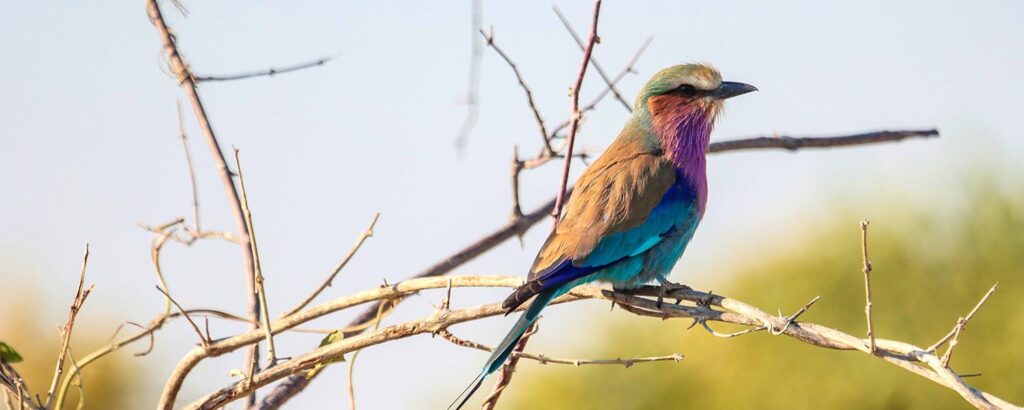
For birdwatching, the green season is often the better choice. November to April brings migratory species, breeding plumage, and more active birdlife around seasonal water and lush habitats. Hwange is already a strong birding destination, with ZimParks noting nearly 400 bird species in the park. (zimparks.org.zw)
Birders should consider December to March if the goal is variety rather than big-mammal density. Roads and access can vary with rain, so build flexibility into your itinerary.
Best Time for Photography
The best photography season depends on your style:
- For wildlife portraits: July to October is strongest because animals are easier to locate.
- For elephant dust, backlit scenes, and waterhole drama: September and October are excellent.
- For landscapes, skies, and saturated color: December to April can be more visually interesting.
- For comfortable light and balanced conditions: June to August works well.
If you are serious about photography, choose a camp or route with access to productive waterholes and allow enough days for repeat visits.
How Many Days Should You Spend in Hwange?
A minimum of three nights is a good starting point for most travelers. Hwange is vast, and wildlife sightings vary by area, season, and water availability. SafariBookings recommends three to five days as a more relaxed minimum, with longer stays allowing travelers to explore different areas of the park. (safaribookings.com)
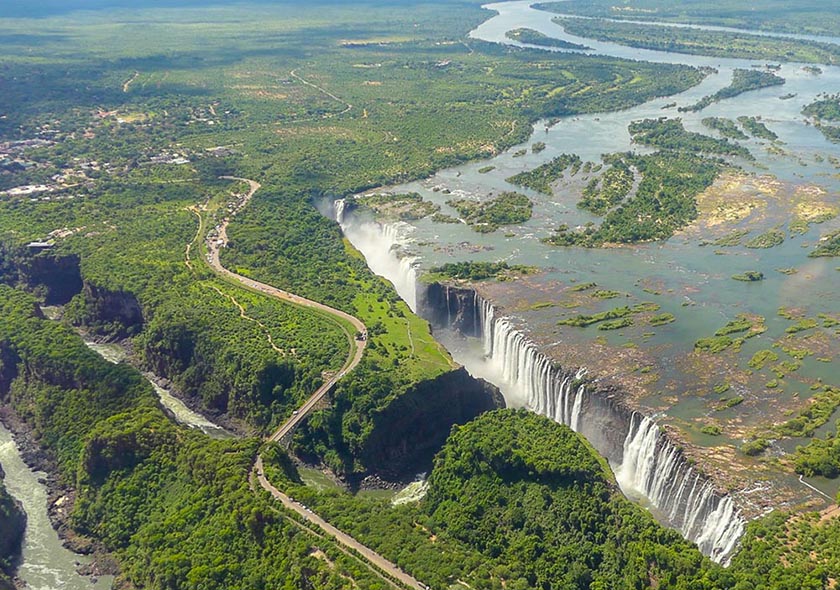
If you only have one day from Victoria Falls, it can still be worthwhile, but understand that you will spend several hours driving. For a deeper safari, stay inside or near the park and include multiple early morning and late afternoon game drives.
Health, Comfort, and Practical Timing
Zimbabwe is a malaria-risk destination, and the CDC recommends prescription malaria prevention for travelers going to Zimbabwe, along with mosquito-bite precautions. Before you travel, speak with a qualified travel-health professional, especially if visiting during the wetter months when mosquitoes may be more noticeable. (wwwnc.cdc.gov)
For comfort, pack according to season. In the dry winter months, mornings can be cold, so bring warm layers for game drives. In September and October, focus on sun protection, breathable clothing, electrolytes, and a refillable water bottle. During the green season, bring rain protection and expect some itinerary flexibility.
Final Recommendation
If you want the simplest answer: visit July to October. That is the best time to visit Hwange National Park for reliable wildlife, elephants, predators, and classic safari conditions. Choose July or August for a cooler, more comfortable safari, and September or October for the most dramatic dry-season wildlife concentrations.
Choose November to April if you prefer greener scenery, birding, lower visitor numbers, and a more relaxed pace. Hwange is rewarding year-round, but the right month depends on whether your dream safari is about big game at waterholes, colorful birdlife, comfortable weather, or quiet wilderness.